
- Home
- >
- Blog
- >
- Product news
- >
- Electronic Drums
Electronic Drums
Electronic Drums
Electronic percussion instruments take the vibration signals generated by physical impacts, trigger them, and input them into a sound source. The sound source converts the signals into the desired timbre, which is then transmitted to an amplifier or headphones to produce sound audible to the human ear. Products capable of this process are collectively referred to as electronic percussion instruments. An electronic drum isn't actually a drum, but rather a sensor—a trigger—that receives signals. An electronic drum must be used in conjunction with a module and a sound output device to produce the desired sound.
1. Traditional Rubber Electronic Soundboard Type
Whether it's a drum or cymbals, they are made of the same material, only their appearance may differ. The soundboard material is always rubber. Common brands include: YAMAHA, ROLAND, SIMMONS, PEARL, etc.
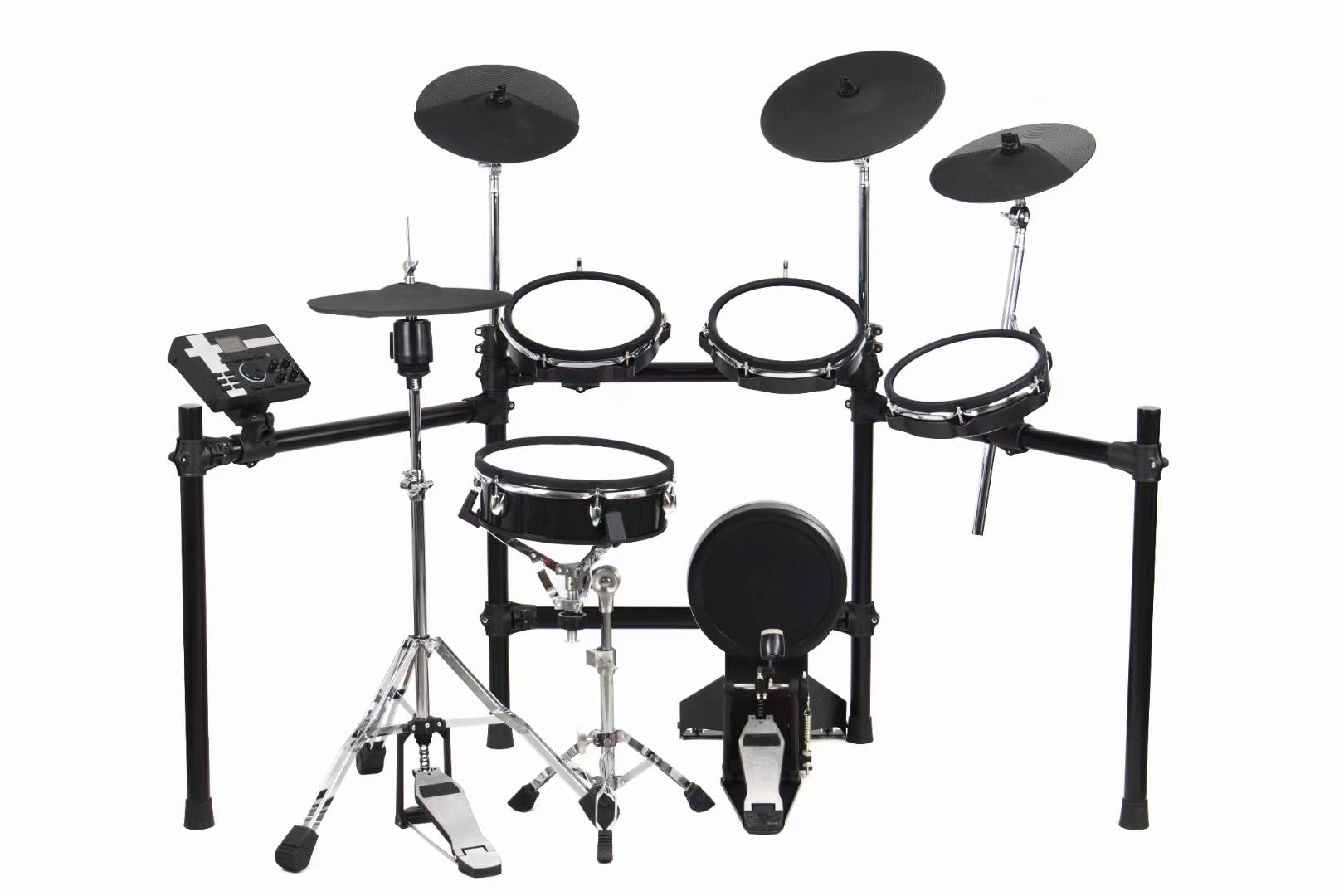
2. External Sensor Type
Traditional jazz drum kits typically have a sensor—a ticker—attached to the edge of the drum. This ticker is a small, individual unit, not part of the drumhead, and is similar to a microphone. This design preserves the original drum sound while allowing the ticker to receive other sounds, creating dual-firing. A representative brand is DDRUM. In recent years, DDRUM has also invested heavily in the development of its (Type 4) model, competing with ROLAND.
3. All-in-One Type
These are multi-functional all-in-one models, similar to bedside stereos, with built-in drumheads and a sound source. The entire unit is usually about the size of a pillow, offering a simple setup where you simply plug it in and start playing. Advantages include no need for cascading, portability, direct connection to speakers, and minimal space requirements when placed next to a traditional jazz drum kit. They usually have 4-8 drumheads, and there are many brands and models available. ROLAND's 8-drum (SPD series) is considered one of the best-selling models ever. The downside is that the subtle touch response of the trigger is somewhat rough, and the distinction between light and heavy beats is not refined enough.
4. Drumhead Simulation and Multi-Sensor Type
Drumhead simulation (also called mesh drumhead) is currently the new high-tech battleground. Mesh drumheads combine the textures of both drumheads and triggers. The sound volume when hitting a mesh drumhead is not only lower than that of a traditional rubber drumhead, but drummers can also adjust its tension to their liking. It can even detect the subtle textures of hand-made drum brushes and whirrels, and since multiple triggers are installed inside a single panel, it can also create the effect of a drum frame. Currently, the representative product is ROLAND's V-DRUM series, which is a truly high-end product. Electronic drum kits are lightweight, small, and easy to assemble and disassemble, making them convenient to carry and quick to set up. New trigger units can also be designed and developed according to the drummer's requirements, or acoustic drums can be converted into electronic drums.
Besides Roland's V-Drum series, the international market also offers some high-end electronic drum kits that allow drummers to freely change drumheads. Whether it's rubber, mesh, or a traditional drum kit head, as long as the head size is consistent, the drummer can attach it to the electronic drum kit and enjoy dual sensing (both the drumhead and the frame). These include the Drumit 5 released by the Swedish company 2Box in 2009 and the ePro Live released by Pearl in 2011.
-
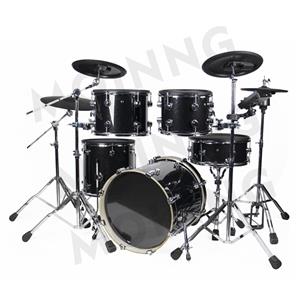
MOINNG electronic drums: Featuring an acoustic-like design, suitable for both stage and home use; Highly sensitive pads accurately capture subtle details from soft to powerful playing; Volume control makes them ideal for home and late-night practice; Retaining a classic layout while saving space, they meet the diverse needs of drummers from beginners to professionals.
-
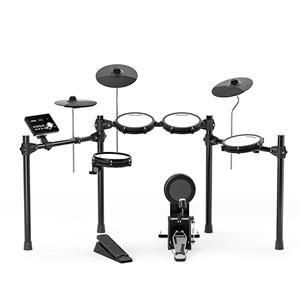
1. Quiet and non-disturbing, play anytime, anywhere 2. Professional-grade sound library, true drum feel restoration 3. Compact and portable design, flexible space adaptation 4. Professional-grade hardware, a powerful tool for stage and studio
-
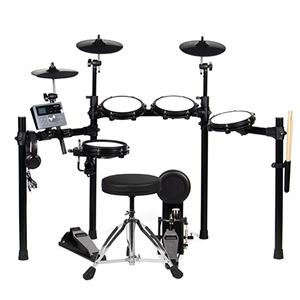
1.Innovative Sound & Realistic Feel 2.Versatile Sound Library 3.Adjustable Volume & Noise Control 4.Connectivity & MIDI Integration 5.User-Friendly & Customizable
-
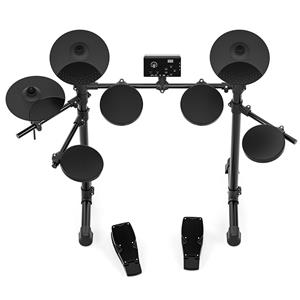
Small size and light weight No need to worry about taking up too much space Electronic drums are essential for beginners
| Phone : | +86-17859886020 |
|---|---|
| Fax : | +86-595-88011595 |
| Email : | info@moinng.com |